


Japan is popular among travelers because this modern and innovative country's tradition coexists harmoniously. Despite the fact, Japan is modest and full of trains, urban centers, and skyscrapers. Visitors are amazed by its shrines and spiritual sanctuaries.
This blog is all about the shrines associated with Shinto, which is an indigenous religion. There are deep roots of history and mythology linked with Shinto Shrines. Also, there are Kami, which are believed to be honored as divine spirits inhabited by natural elements like rivers, mountains, forests, and ancestors.
Going ahead, in this blog, you will get to know the architectural beauty, cultural significance, and folklore of the famous shrines.
Understanding Shinto Shrines
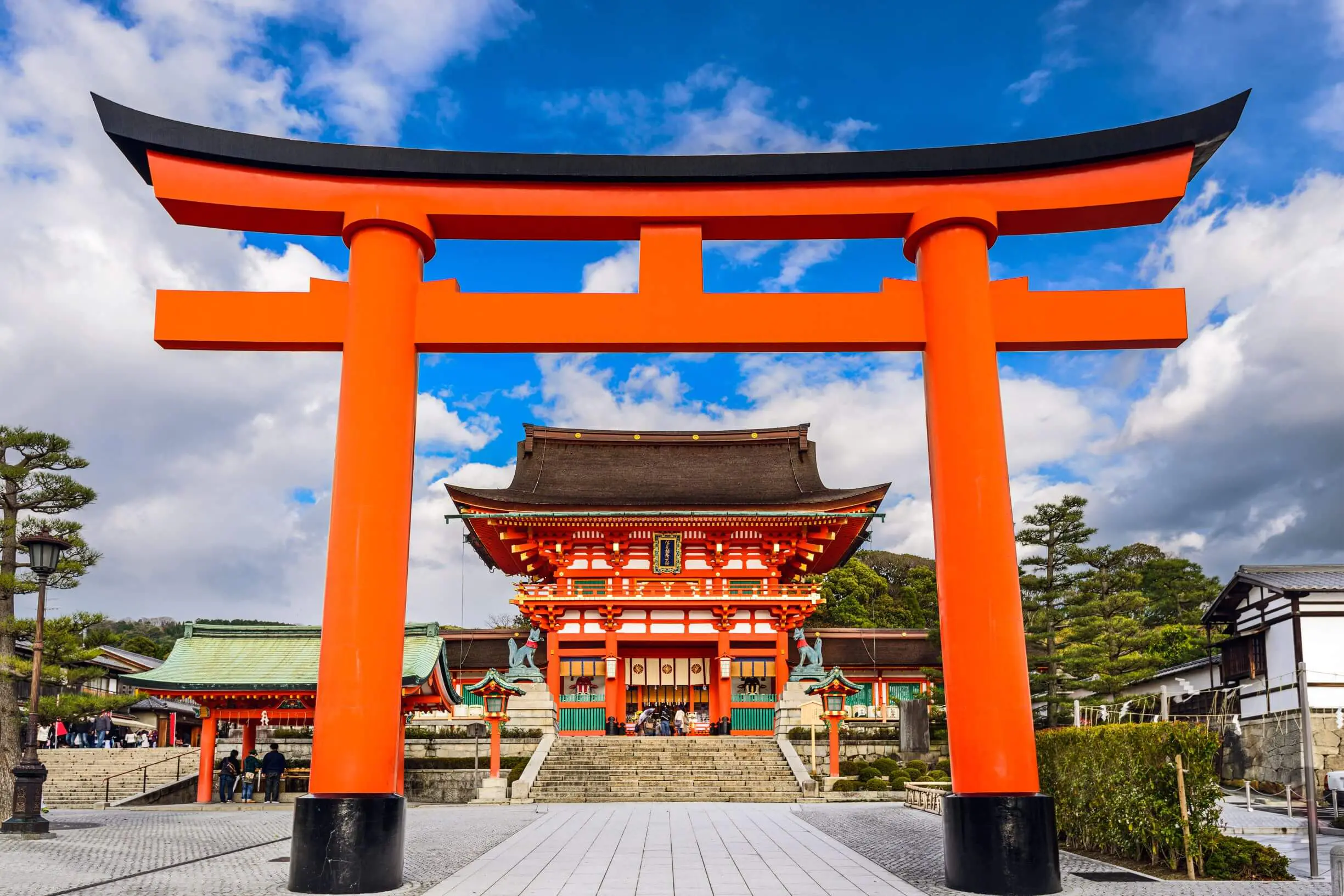
The home of Kami is known as a Shinto Shrine. Visitors get to enter the sacred grounds via a torii gate. Basically, a torii gate is an iconic symbol of a transition starting from the ordinary world into a sacred place. Major features of the shrines are:
- Temizuya (Purification Fountains)
- Torii Gates
- Haiden (Main worship halls)
- Honden (Inner Sanctuaries)
- Natural Landscape and Sacred Trees
Shinto is a symbol emphasizing purity, nature, and gratitude. These shrines are located in forests, mountains, or other water sources. They showcase an in-depth spiritual connection between humans and the natural world.
Also read this: Japan: A Journey through cities, mountains, and temples
1. Ise Grand Shrine (Ise Jingu)
The Spiritual Heart of Japan
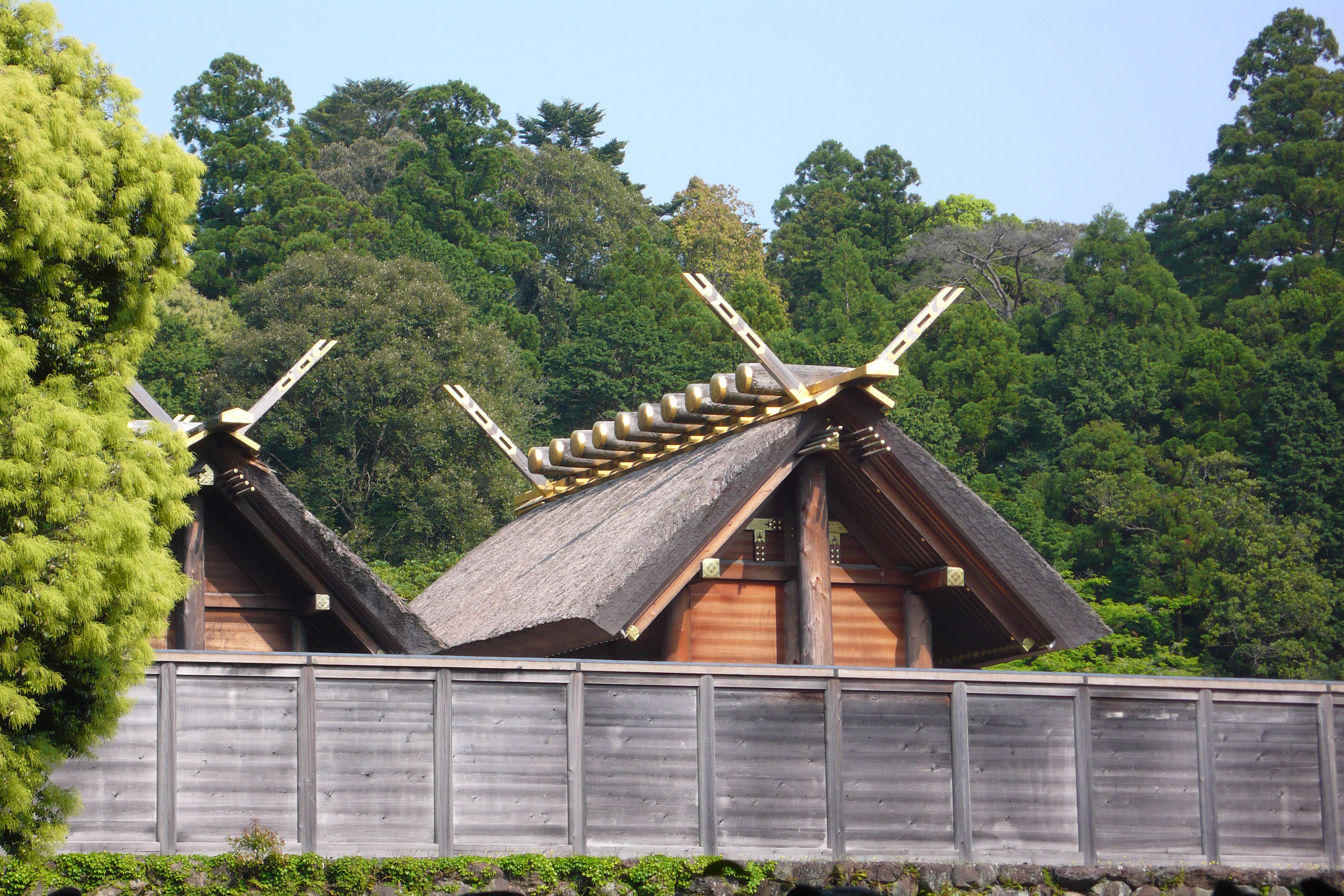
Ise Grand Shrine is a well-known Shinto shrine in Japan. It is situated in Mie Prefecture, dedicated to Amaterasu Omikami, the mythical ancestor and the Sun Goddess of Japan’s imperial family. The complex has 125+ shrines spread across the forested area. The principal shrines include:
- Naiku (Inner Shrine)
- Geku (Outer Shrine)
Altogether, they create a center of Shinto worship for spiritual purposes.
Historical Importance
As per tradition, the Grand Shrine was established over 2000 years ago. Ise Grand Shrine is associated with the imperial household of Japan. It is the country’s most respected pilgrimage spot.
The shrine's most renowned tradition is the Shikinen Sengu ceremony. As per this tradition, the main shrine building gets rebuilt every 20 years. Through this practice, the ancient construction techniques are preserved while depicting continuity and renewal.
Architectural Beauty
The architecture of the Shrine displays purity and simplicity. The Ise Grand Shrine is built from Japanese cypress, also without the use of nails. Here, photography is prohibited as it results in an enhanced sense of reverence and mystery.
2. Fushimi Inari Taisha
The Shrine of a Thousand Torii Gates
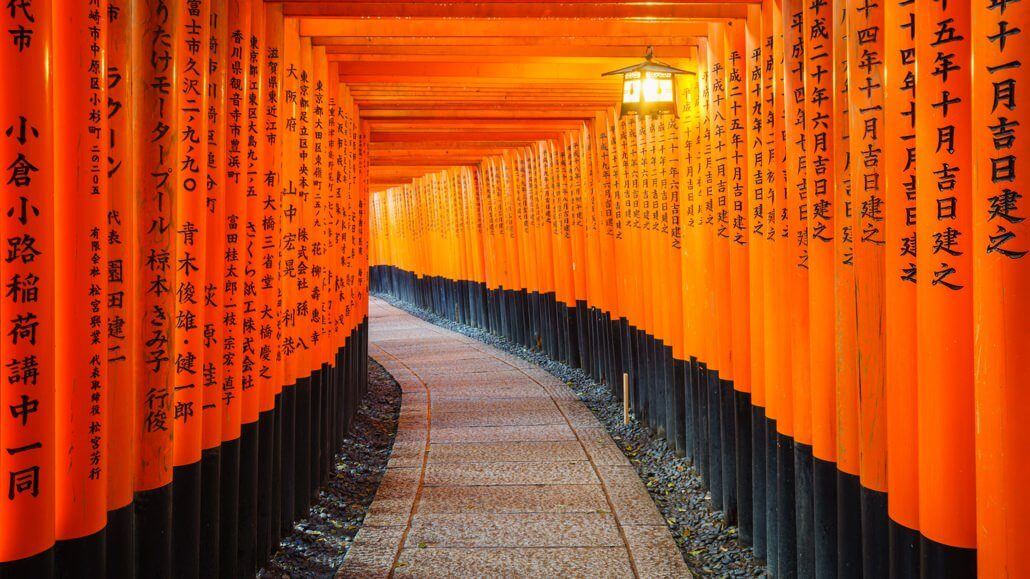
The most popular shrine in Japan is Fushimi Inari Taisha, which is located in Kyoto. This shrine is solely a dedication to Inari, which is the godhead of prosperity and agriculture. The well-known feature of the shrine is the pathways with borders of red torii gates.
Historical Background
Among the 30,000 Inari Shrines in Japan, the Fushimi Inari Shrine is the main one, founded in 711 CE. Many of the rich businessmen and individuals donate torii gates to seek blessings and express gratitude for prosperity. Even the donor’s name is inscribed on the gate.
The Sacred Mountain
The shrine is expanded up to Mount Inari. Many of the travelers hike several kilometers through forest trails beautifully adorned with torii gates. The travelers get to encounter the following:
- Stone fox statues
- Smaller shrines
- Serene viewpoints
- Ancient tea houses
The main messengers are foxes and are often noticed holding scrolls, keys, or even the rice granaries.
Cultural Significance
Fushimi Inari has appeared in numerous films, documentaries, and travel publications, making it one of Japan’s most photographed destinations.
The Shrine Fushimi Inari is featured many times in various documentaries, films, and travel publications. That’s the reason Japan is one of the most photographed spots.
3. Meiji Shrine
A Peaceful Oasis in Tokyo
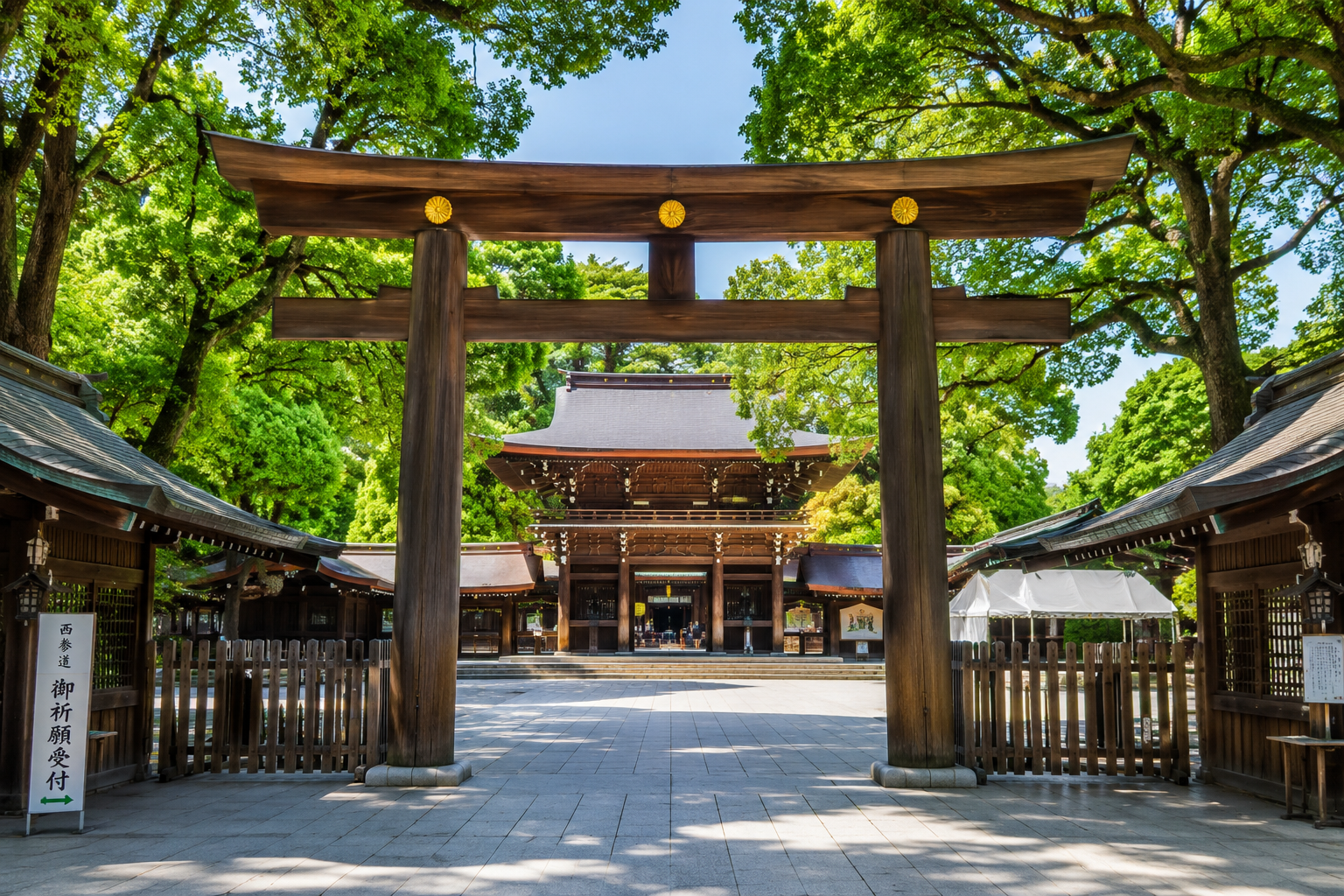
The Meiji Shrine has a big forest located in the center of Tokyo. The shrine is believed to be well-honored by Empress Shoken and Emperor Meiji. It has a very calming retreat full of excitement and relaxation, all away from the hectic schedule.
Historical Context
The Shrine commemorates Emperor Meiji, playing the main role in the modernisation of Japan during the Meiji Restoration. Japan became a modest industrial nation from a feudal society. That’s why the emperor became the most powerful figure in Japanese history.
The Sacred Forest
This shrine is spread over an area of 170 acres with almost 100,000 trees. Tourists get to reset whenever the drastic shift happens in the atmosphere all away from busy city life. One gets into the woodland paths.
Popular Activities
You can write your wishes on the wooden ema plaques. Also, you can buy some lucky charms, experience Shinto weddings, and be a part of the cultural ceremonies.
4. Itsukushima Shrine
The Floating Shrine
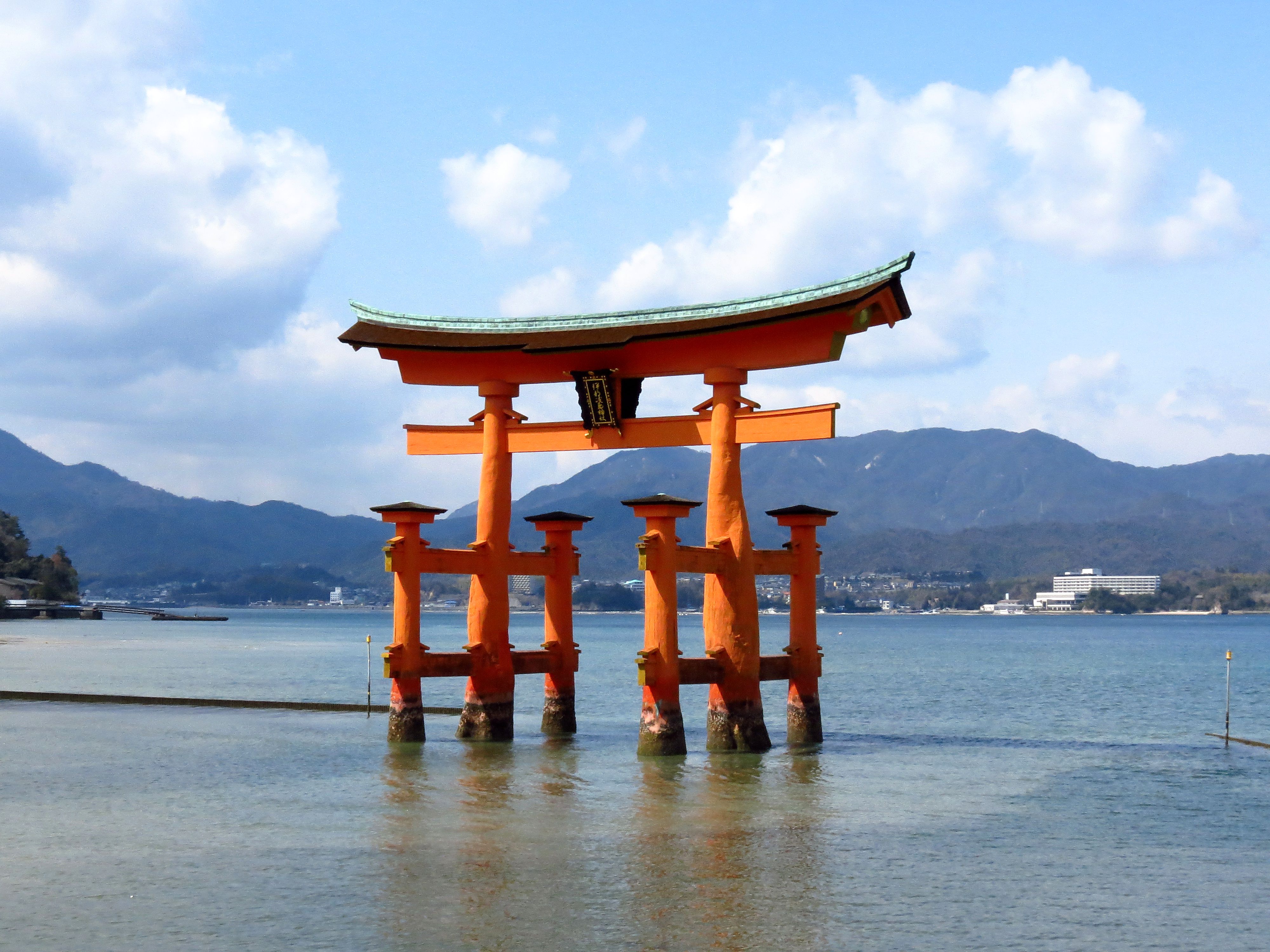
This shrine is located on Miyajima Island near Hiroshima. Also, this shrine is home to the most alluring floating torii gate. It also seems that the gates of Itsukushima Shrine are at high tide.
Historical Origins
This shrine dates back to the 16th century. Under the patronage of the military leader Taira no Kiyomori was expanded in the 12th century.
Architectural Marvel
The well-established building of the Itsukushima Shrine was built over the water on pier-like foundations. The structure is believed to be suspended above sea level at the time of high tide. The architecture of bright vermilion contrasts very well with green mountains and blue waters surrounding the island.
UNESCO Recognition
It is also considered one of Japan's Three Most Serene Views. The island is considered sacred and helps create a spiritual atmosphere.
5. Izumo Taisha
One of Japan’s Oldest Shrines
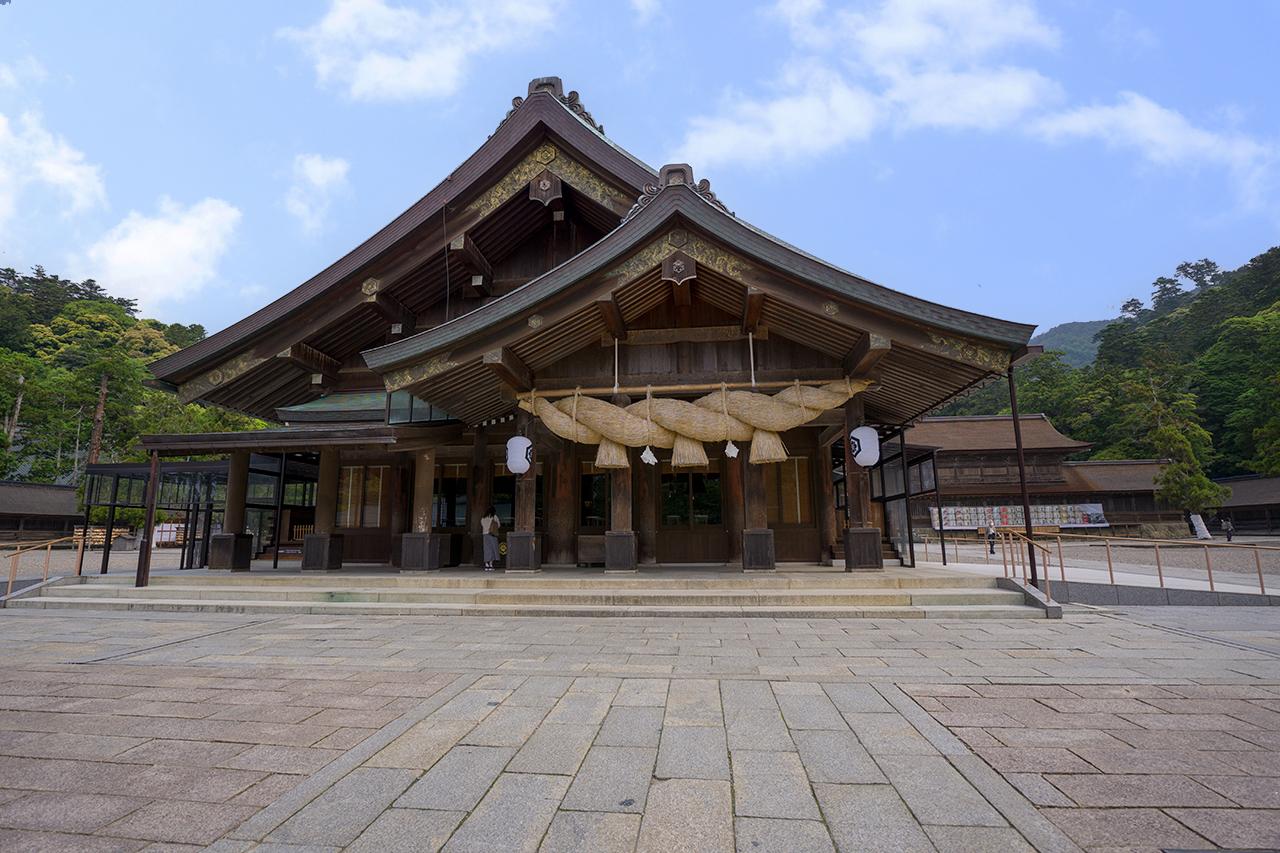
This one is the oldest shrine fully dedicated to the Okuninushi. It’s a deity linked with marriage, relationships, and nation-building.
Mythological Importance
At Izumo Taisha, there was a discussion regarding destinies and relationships. That’s the reason Izumo is referred to as a place for the gathering of the gods. There is a belief associated with it as well that, by praying at this shrine, one gets success in love and marriage.
Architectural Features
The main hall of the shrine is established in old architectural styles. It has a sacred rope, known as shimenawa, and is considered as a symbol of divine presence and purification.
Conclusion
Japan is more than a travel spot for exploration. These beautiful shrines are the iconic symbols of harmony and civilization. Each shrine has its own unique story to display. To view the beauty of sacred forests, there’s Ise Grand Shrine, while the floating beauty can be witnessed at Itsukushima Shrine. A different side of Japan can be noticed in each shrine, shaped by artistry and tradition. In this 21st century, each and every shrine has its guardians of culture and history, with a connection to the all-time sacred spaces and rituals.
Also Read -
- Osaka, Japan
- Kyoto, Japan
- Travel Attractions in Tokyo, Japan
- Tokyo Shopping Guide for Travelers
- Kyoto, Japan
- Tourist attractions in Japan
Suggested Japan Tour -


