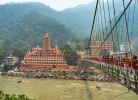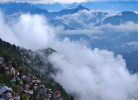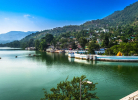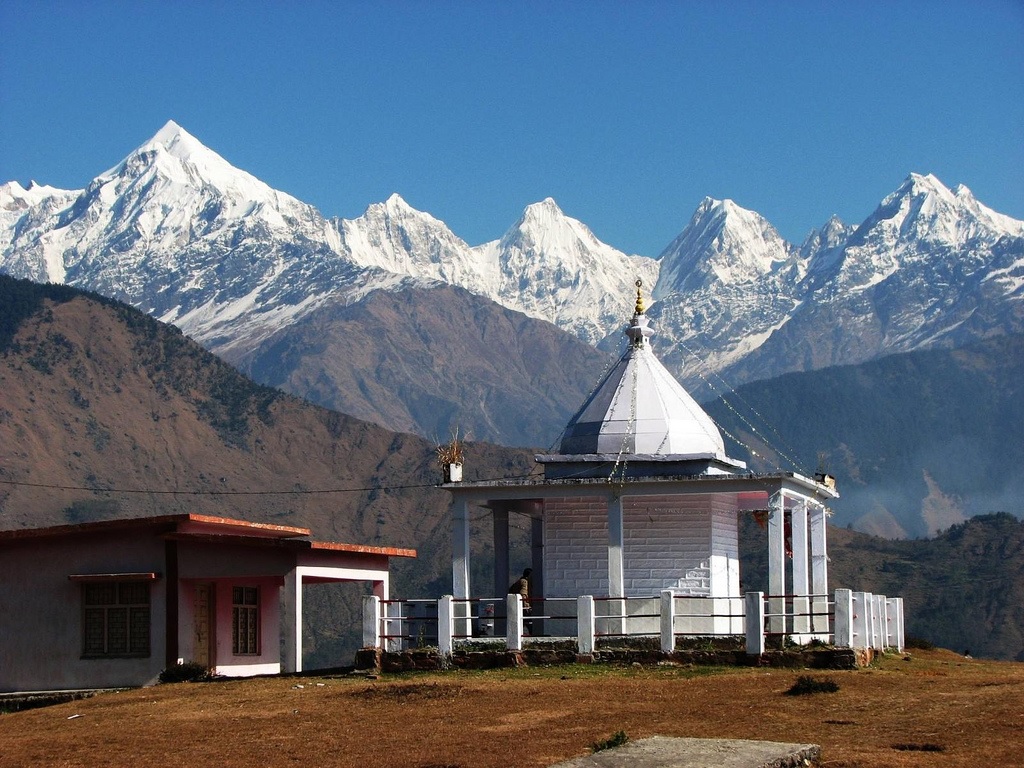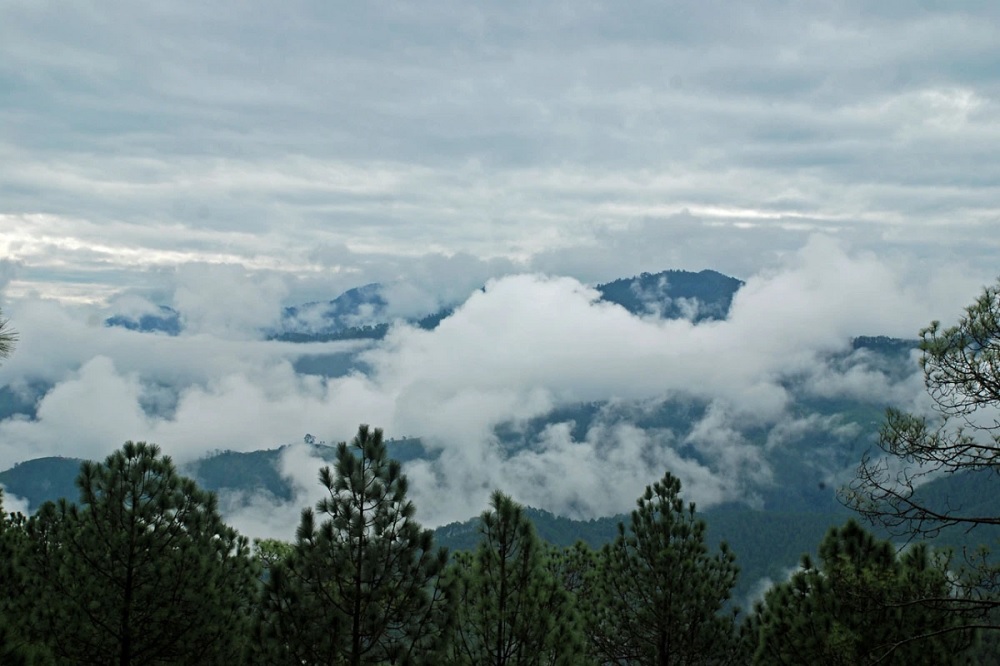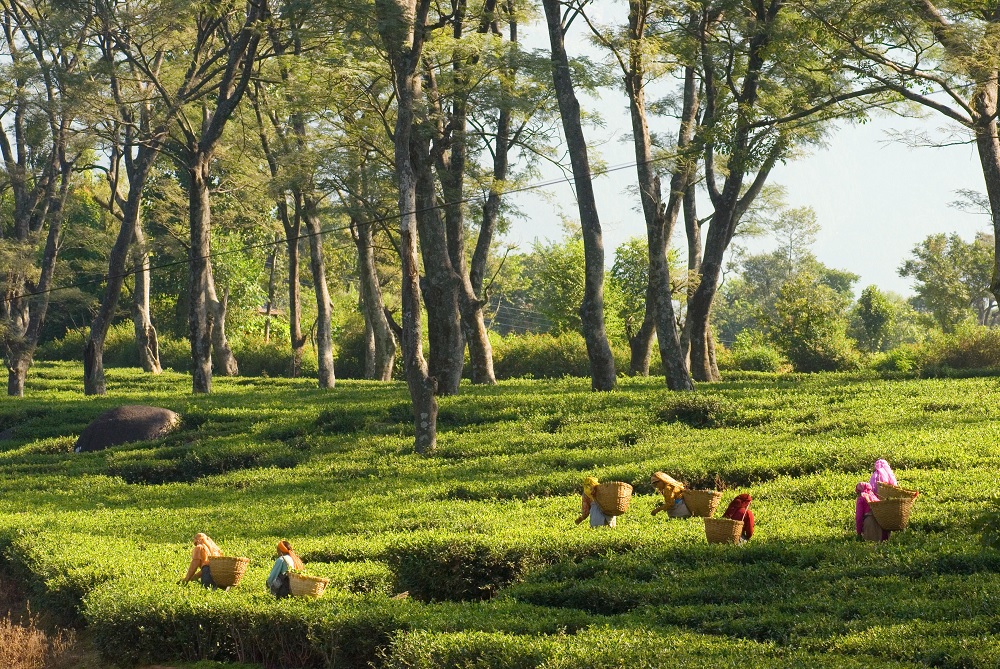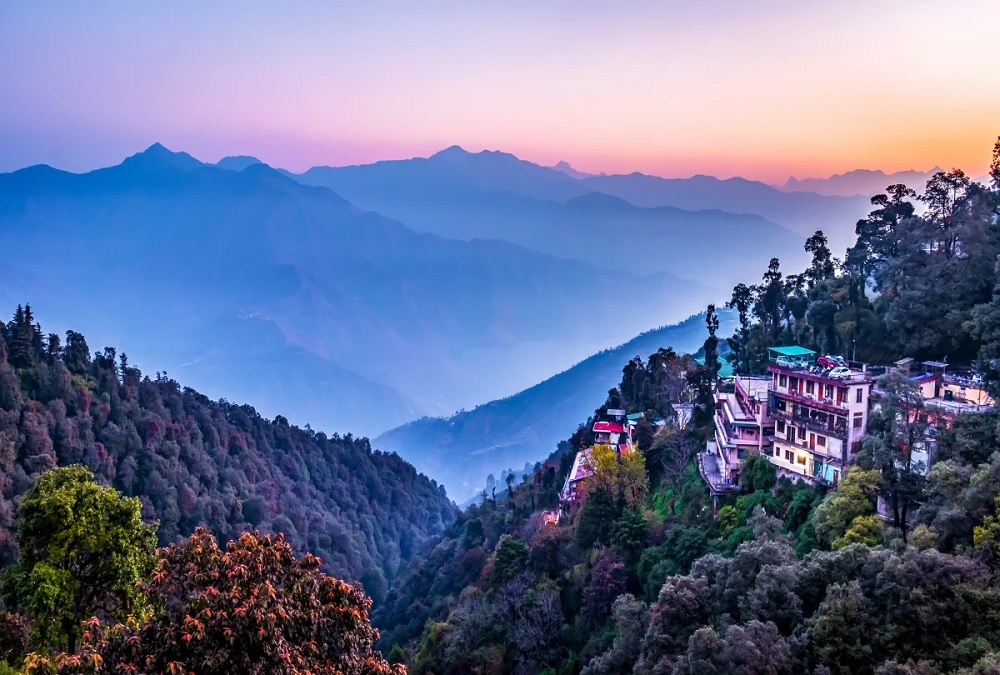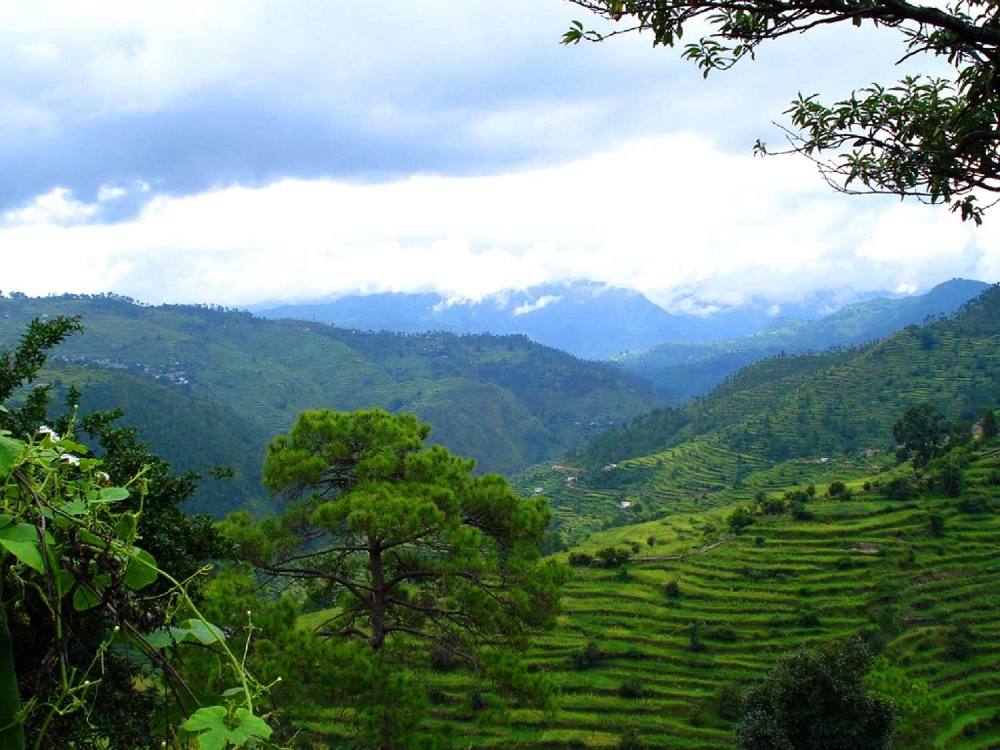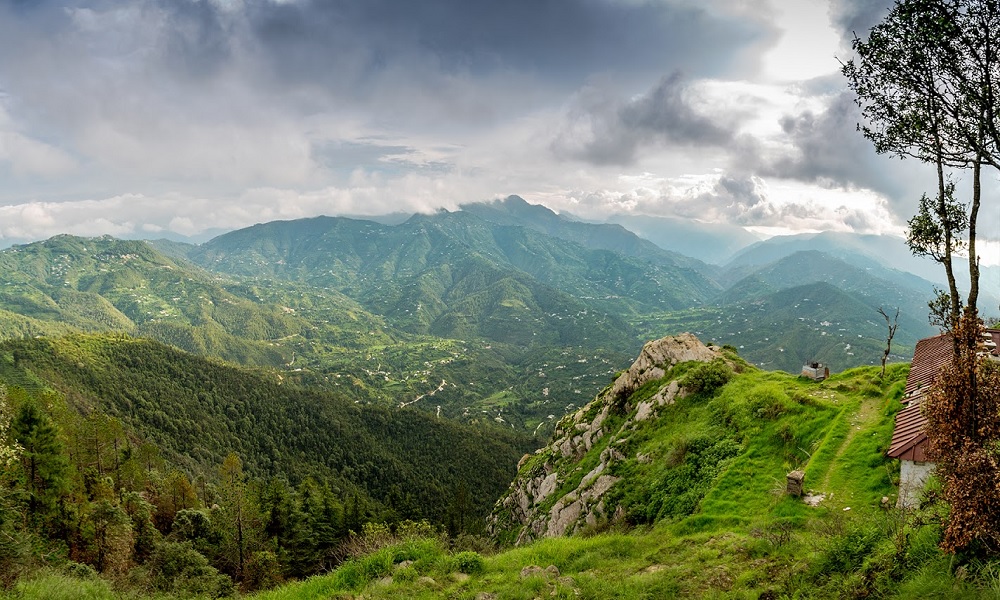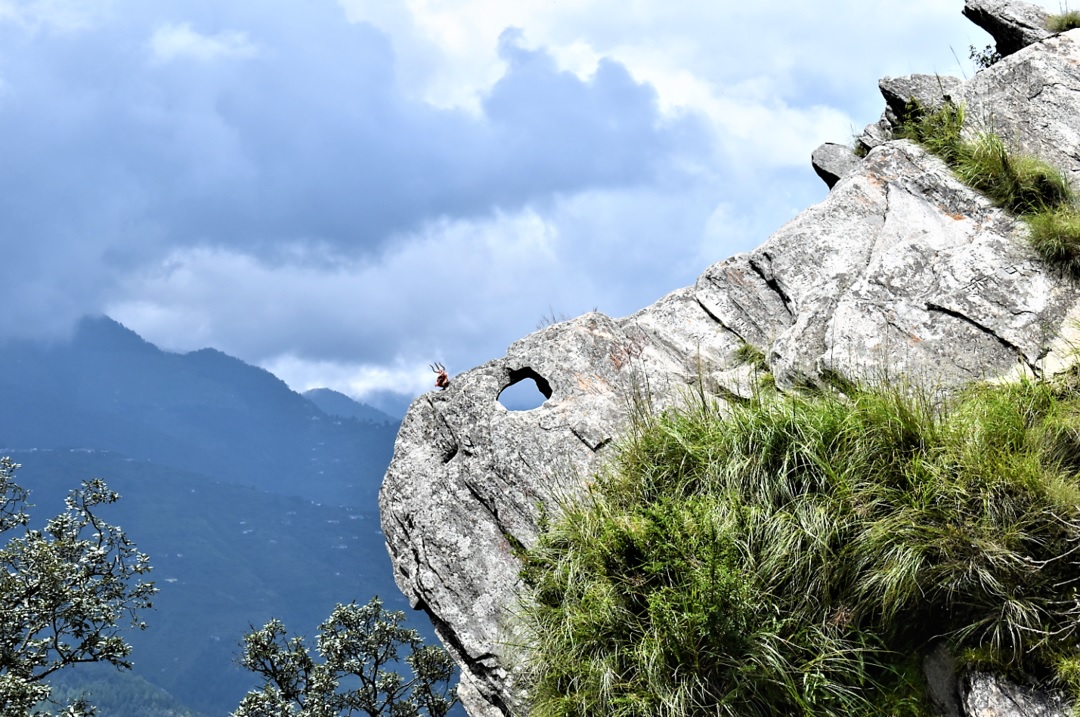

Uttarakhand's most scenic hill town, Almora is also otherwise called the Cultural Heart of Kumaon. At an altitude of around 1,600 meters in the Himalayas of Kumaon, Almora stretched beautifully over a horseshoe-shaped ridge. The town offers imposing views of Himalayan snow-capped peaks such as Nanda Devi, Trishul, and Panchachuli. Surrounded by thick oak and pine forests, Almora has always been held dear for its clean air, moderate climate, and peaceful natural surroundings.
It is the rich cultural and historical background that makes Almora unique. Unlike other British-built hill stations, Almora evolved through patronage of local rulers, especially the Chand dynasty, which ruled over Kumaon for centuries. Their influence still stands in the old bazaars, sloping alleys, typical wood houses, and temples that give the town its unique character. Walking along Lala Bazaar provides an impression of drinking in the rich heritage of Kumaoni living.
Almora is also famous for its handicrafts, fairs, folk songs, and festivals. Annual Nanda Devi Mela is a major attraction, where music, dance, and local culture merge with devotion. Tourists to Almora also buy region-specific woolen garments, copperware, and wooden goods. Sweets made here are also famous, especially the famous bal mithai and singauri.
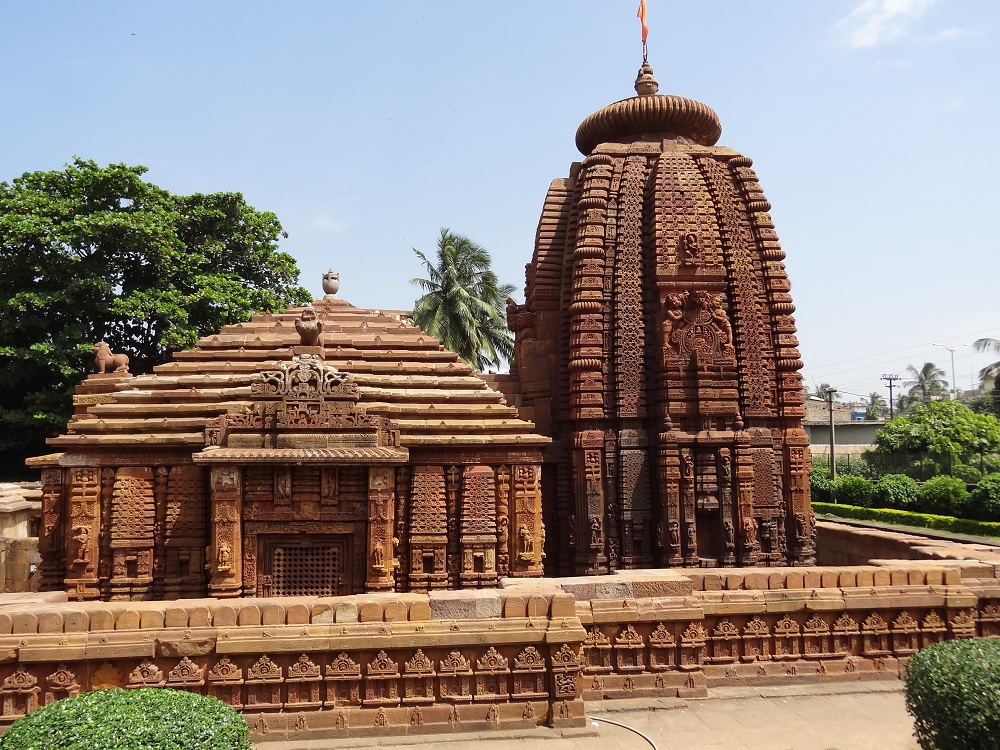
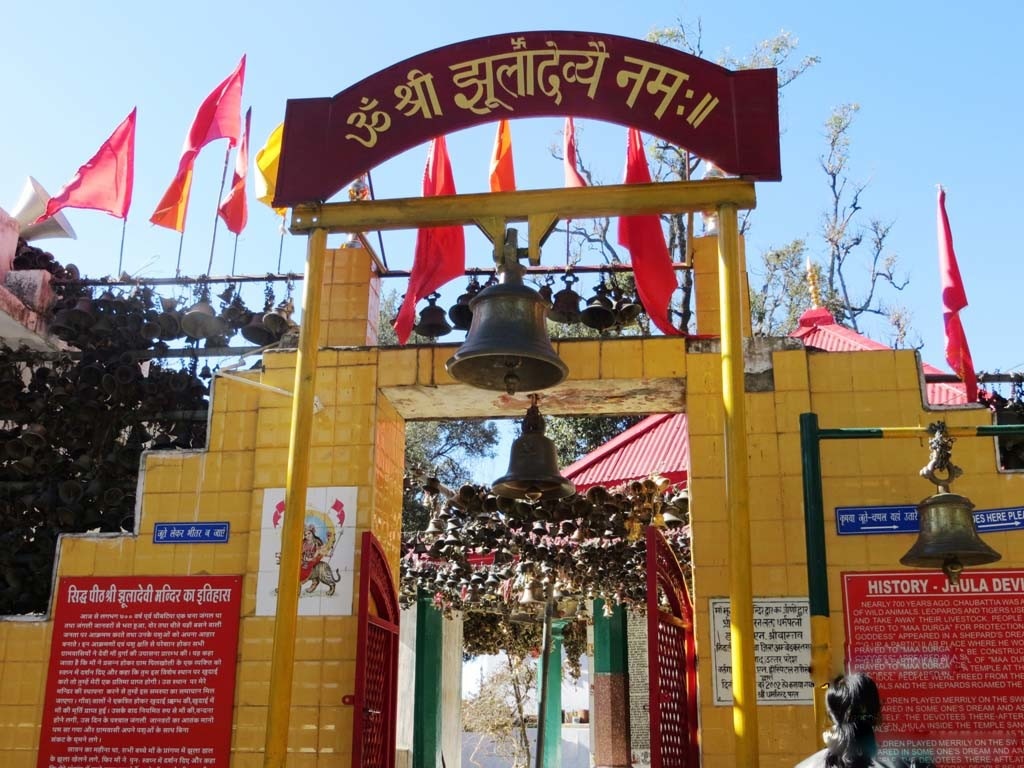
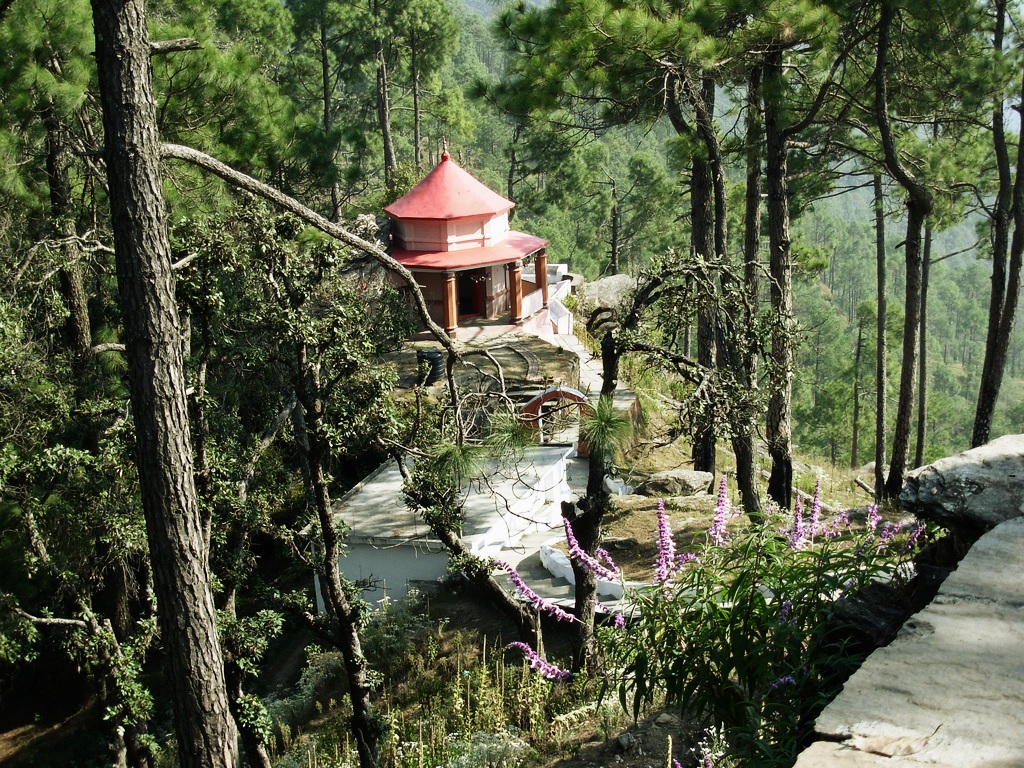
Apart from culture, Almora is also spiritually affluent. It boasts several old temples such as Nanda Devi Temple, Kasar Devi Temple, and Chitai Golu Devta Temple. Pilgrims, saints, and even tourists from abroad seek peace and motivation in these temples. Great souls like Swami Vivekananda were inspired by the natural scenery and used to meditate here.
As much a hill station as a place that defines Kumaon, Almora offers a constant fusion of the natural beauty, cultural richness, and spiritual undertows.
Almora's History

Almora's history is complete with ancient traditions, royal heritages, and colonial affiliations that make the town one of a kind. Almora dates back several centuries, with the initial connections to the Katyuri dynasty, who held sway in Kumaon during the 7th to 11th centuries. Almora was, however, most significant under the Chand dynasty, who molded its culture, temples, and identity.
In 1563, King Kalyan Chand established the town of Almora and declared it as the capital of Kumaon. The Chand kings constructed various temples and bazaars during their reign that still stand today. Nanda Devi Temple and Chitai Golu Devta Temple are two such temples which were either constructed or patronized by them. Local music, dance, art, and crafts were also patronized by the Chand rulers, and thus Almora earned the reputation of being the Cultural Heart of Kumaon.
Almora's past subsequently witnessed a significant transformation when the Gorkhas of Nepal occupied the town in 1790. They controlled for approximately 25 years, until the Anglo-Nepalese War in 1815, when they were beaten by the British. By the Treaty of Sugauli, Almora was under British control and became the administrative headquarters of the Kumaon.
During the colonial period, new schools, roads, and offices were established in Almora but it never surrendered its traditional beauty. The British officers and visitors always complimented Almora for its beauty, lovely climate, and rich culture.
The history of Almora is a story of ancient dynasties, Chand regimes, Gorkha rule, and the British. The blend of rulers and traditions has left Almora with a rich heritage that continues to be attractive to historians, tourists, and culture lovers worldwide.
Best Places to See in Almora

Almora is renowned not just for its history and culture, but also for the many beautiful places that attract travelers from near and far. From peaceful temples to nature, the town offers something special for everyone. Some of the best places to see in Almora are as given below:
Bright End Corner – Sunrise and Sunset Point
Bright End Corner is the ideal spot to see the enchanting sunrise and sunset splendor of Almora. Here, the sky would be colored with pink and orange hues and the Himalayas would create the backdrop. It's a peaceful place, ideally suited for nature lovers and photographers.
Chitai Golu Devta Temple – Temple of Justice
This temple is holy to Golu Devta, the god of justice in Kumaoni religion. Individuals come here with prayers written on paper, which get tied inside the temple. Locals have the faith that Golu Devta gives justice to all who pray from their heart, so this temple is very unique in India.
Kasar Devi Temple – Spiritual and Scenic Haven
Located on top of a hill, the Kasar Devi Temple is religious as well as scenic. It's famous all over the world because Swami Vivekananda used to meditate here, and scholars believe that the place has special geomagnetic energy. The temple also offers panoramic views of the Himalayas and valley below.
Deer Park – Nature Walk and Wildlife Spotting
Located at a distance from Almora town, Deer Park is a serene site where travelers can take a nature walk, see deer, and view birds. It is a site that is appropriate for family and nature enthusiasts.
Binsar Wildlife Sanctuary – Trekking and Himalayan Views
Adventure lovers cannot afford to miss Binsar Wildlife Sanctuary. It is inhabited by countless animals, birds, and other endangered vegetation. Trekking inside the sanctuary provides views with vantage points where there are broad scenes of Himalayan ranges, such as Nanda Devi.
These sites mix well with nature, religion, and culture, hence making Almora a travel destination with irreplaceable experiences for tourists.
Almora's Culture & Traditions
Almora is known to be the Cultural Heart of Kumaon because of its glorious cultural history and lively festivals.The town maintained the true essence of Kumaoni culture, which has been portrayed in its fairs, music, dance, cuisine, and handicrafts. To the tourists, living Almora's culture is as beautiful as traveling its mountains and temples.
Kumaoni Festivals
Festivals here are celebrated with great fervour and religious zeal. Some of the most popular and well-known festivals include the Nanda Devi Festival, which is held every year. People from all across Kumaon visit it. Harela is another very popular festival to welcome the rains, and Khatarua is the festival of the summer's end and the beginning of winter. Festivals here are religious in content but also reflect the agrarian lifestyle of the people here.
Folk Music and Dances
Kumaoni dance and folk music are an integral part of Almora culture. The Chholiya is also performed during weddings and fairs, wearing traditional clothes and performing traditional music such as the dhol and damau. Folksongs tell stories of love, war, and nature, keeping the history and feelings of the Kumaoni alive.
Handicrafts and Traditional Arts
Almora is also famous for its native handicrafts. Copious quantities of copperware, woollen clothes, wooden carvings, and handmade ornaments are visible in the nearby bazaars. Not only are they useful, but they also carry the imagination and skills of the local artisans. Tourists love to buy them as souvenirs.
The culture and traditions of Almora lay bare the extent to which the people are in harmony with their country, community, and religion. Festivals, dance, and handicrafts all contribute to making Almora a living museum of Kumaoni culture.
Best Time to Visit Almora

Almora is a hill station and can be visited throughout the year, but each season has something special to offer. Depending on what kind of holiday you are looking for – be it good weather, greens, or snow, the best time to visit Almora is different.
Summer (March to June)
Summer is the best time to visit Almora. The weather during these months is good and cool with an average temperature range of 15°C to 30°C. It is the most appropriate time to visit places, go for nature walks, and visit temples. The clear sky also provides breathtaking views of the Himalayan peaks. Summer is generally favored by honeymoon couples and family groups for a relaxed holiday in Almora.
Monsoon (July to September)
The monsoon rains drench Almora in heavy rains, cloathing the hills in the new green blanket. Valleys and forests are very lovely in this season, making it a good time for nature lovers as well as photographers. Landslides and slippery roads are an issue, though, so it is an off-season for regular tourists. However, those who prefer peaceful and less crowded places might find monsoon the right time to see the natural beauty of Almora.
Winter (October to February)
Winter is another sought-after season to visit Almora, especially for winter sports fans. The temperature drops as low as 2°C, and in the higher regions, one can even see light snowfall. The Himalayan peaks covered with snow are a feast to the eyes at this time. Winter is perfect for honeymooners, adventure seekers, and visitors who want to enjoy Almora's peaceful beauty without crowds.
In short, the best time to visit Almora is during March to June and October to February, when the weather is at its peak best for sightseeing and outdoor trips.
Trekking & Adventure Around Almora
Almora not only so happens to be famous for its temples and culture but also for adventure sports. Surrounded by valleys, hills, and woods, the town is an excellent destination base for nature adventure, trekking, and camping. For adventure lovers, Almora is a place well worth exploring in Uttarakhand.
Local Trekking Trails
There are several scenic trekking trails around Almora. Binsar Wildlife Sanctuary trek is one of the most popular ones, with excellent trails going through oak and rhododendron woods. Tourists get vast Himalayan views from the highest viewpoint, with mountains like Trishul and Nanda Devi. The Kasar Devi trek is another preferred one, with tourists going to the hill temple in peaceful landscapes and scenic valley views.
Camping Sites
Almora camping is a pleasant experience, especially for those who love nature. Binsar, Kasar Devi, and Jageshwar are preferred destinations of stargazing camping. These places are far from the town and provide visitors with time to bask in the tranquillity of the Himalayas, with campfires, bird watching, and nights spent under the stars.
Nature Activities
Almora also offers many simple but entertaining nature activities. The forest trekking, birding, photo treks, or village treks to observe the life in Kumaoni are some of the activity options. The adventure enthusiasts can even go for short treks surrounding Deer Park or accompany the trip with other destinations nearby like Ranikhet and Kausani, which also offer trekking facilities.
With its smooth trails, scenic campsites, and nature sports, Almora is a perfect destination for visitors seeking relaxation and adventure in the midst of the Himalayas.
Almora's Cuisine
Almora is not only stunning in its scenery and temples but in its distinctive Kumaoni cuisine as well. The food in Almora is plain, nutritious, and full of indigenous spices. Kumaoni cuisine, made from easily available material like cereals, pulses, and greens, reflects the hill way of living. One should eat the traditional food while traveling to Almora to get a firsthand experience of its culture.
Baadi – A Healthy Treat
One of the most popular local foods is Baadi, prepared from buckwheat or mandua flour. It is usually served ghee and bhang ki chutney, so it is different in taste. Baadi is a nutritious, filling food for the hill cold climate.
Singori – A Sweet Folded in a Leaf
Almora is famous for its dessert Singori. Prepared with khoya (concentrated milk) and rolled over a Malu leaf, which imparts it an ethereal scent, Singori is so soft and sweet that it dissolves in the mouth, earning popularity among locals and tourists.
Bal Mithai – The Classic Confectionery of Almora
The moment anyone hears about Almora, Bal Mithai comes to mind, a brown confectionery with chocolate color and is studded with small sugar balls. It is Almora's own speciality for generations and is loved by tourists as an offering to take back home.
In addition to these, there are few other dishes in Kumaoni cuisine like Aloo Ke Gutke, Chainsoo, and Thechwani, which are filled with spices and Flavors.
In short, Almora cuisine is a perfect fusion of health, heritage, and taste. Be it Baadi for a healthy meal or Bal Mithai for dessert, Almora cuisine leaves each and every tourist with an indelible impression of Kumaon hills.
How to Reach Almora
Almora is accessible easily, as the town is well-connected to major locations of Uttarakhand and North India. Almora does not possess an airport or rail station but can be accessed conveniently by road, rail, and air.
By Road
Almora is largely an accessible place by road. Regular taxis and buses are accessible from cities such as Delhi, Dehradun, Kathgodam, Haldwani, and Nainital. Delhi to Almora is nearly 360 km away and takes nearly 9–10 hours by road.
Guests can travel by state transport buses, private buses, or hire a taxi for a hassle-free trip. Traveling on the curvaceous hill roads is also a visual experience.
By Train
The nearest railway station to Almora is Kathgodam Railway Station, which is approximately 90 km from there. Kathgodam is regularly connected with Delhi, Lucknow, and Kolkata by trains such as Ranikhet Express and Kathgodam Shatabdi Express. Almora can be reached in around 3 hours by taxi or bus from Kathgodam.
By Air
The closest airport to Almora is Pantnagar Airport, located 125 km away. Flight services are few and operated here in general from Delhi. Travelers may also reach Indira Gandhi International Airport, Delhi, and then commute further by road or train to reach Almora.
With these modes of transport, it is simple and convenient to reach Almora. If you want to drive down from the scenic route, go by train through the plains, or by plane followed by a drive, reaching Almora is as delightful as being there.
Where to Stay in Almora
Almora offers something for everyone when it comes to accommodations here. Whether it is budget hotels, heritage stays with a regal flair, or even nature resorts at nature's doorstep, Almora hill town has everything to cater to all sorts of travelers. Staying in Almora is not just about convenience, but about experiencing the culture and nature of Kumaon as well.
Hotels in Almora
There are a lot of budget and mid-range hotels available in Almora that provide comfortable rooms with all the latest amenities. These hotels can be best suited for couples, family, and individual travelers. All of them are located close to the main market, so it is easy to approach local restaurants and shops.
Heritage Stays
For those wishing to experience the retro feel, heritage hotels of Almora are the best choice. These resorts are generally built in the traditional Kumaoni fashion, with wooden structures and a peaceful ambiance. They give the tourists the chance to experience living like the Kumaon maharajas of the past, but with the benefit of modern amenities.
Eco-Resorts and Homestays
Nature lovers have a number of choices of homestays and eco-resorts within and around Almora. These are typically located outside the town, surrounded by forest cover, orchards, and mountain views. Staying here allows the guest to taste organic food, fresh air, and rural life of the locals. It is also an easy option for travelers who want to relax in peace and tranquility in an eco-friendly setting.
With everything from cheap budget hotels to luxury eco-resorts, Almora has something available in every budget and taste. No matter where you stay, Kumaoni warmth and beautiful Himalayan scenery will make your trip worth remembering.
Almora Travel Tips
Planning a trip to Almora is more easier once you know some simple tips. From the correct equipment to carrying to being respectful of local customs, these travel tips will help you make the most out of your tour to the "Cultural Heart of Kumaon."
Packing Essentials
Almora's weather is cool all year round. If you are visiting it in summer (March–June), carry light woolens, along with tourism attire. Most likely, monsoon (July–September) takes you by surprise with rain suddenly falling. Winters (October–February) can become very cold; so, don't leave behind heavy woolens, gloves, and mufflers. Good walking shoes are a must, as Almora's streets and surrounding trails have a lot of walking associated with them.
Local Etiquette
The people are warm and welcoming, but always better to be respectful of local culture. Dress modestly and cover at temples such as Chitai Golu Devta or Kasar Devi, and take off shoes on entering the temple. You must always ask permission before taking pictures of the people, especially at festivals or in villages. A soft "Namaste" when greeting is a lovely difference in building warm rapport.
Photography Spots
Almora is a photographer's heaven. Do not miss the sunrise and sunset at Bright End Corner, sweeping Himalayan panoramas from Binsar Wildlife Sanctuary, and the unique local temple architecture. Almora's crowded bazaars are also ideal for shooting images of daily life, handicrafts, and vibrant Kumaoni culture.
With proper preparation, respect for culture, and delicacy towards nature's splendor, your Almora tour will be pleasant, memorable, and full of awe-filled experiences.